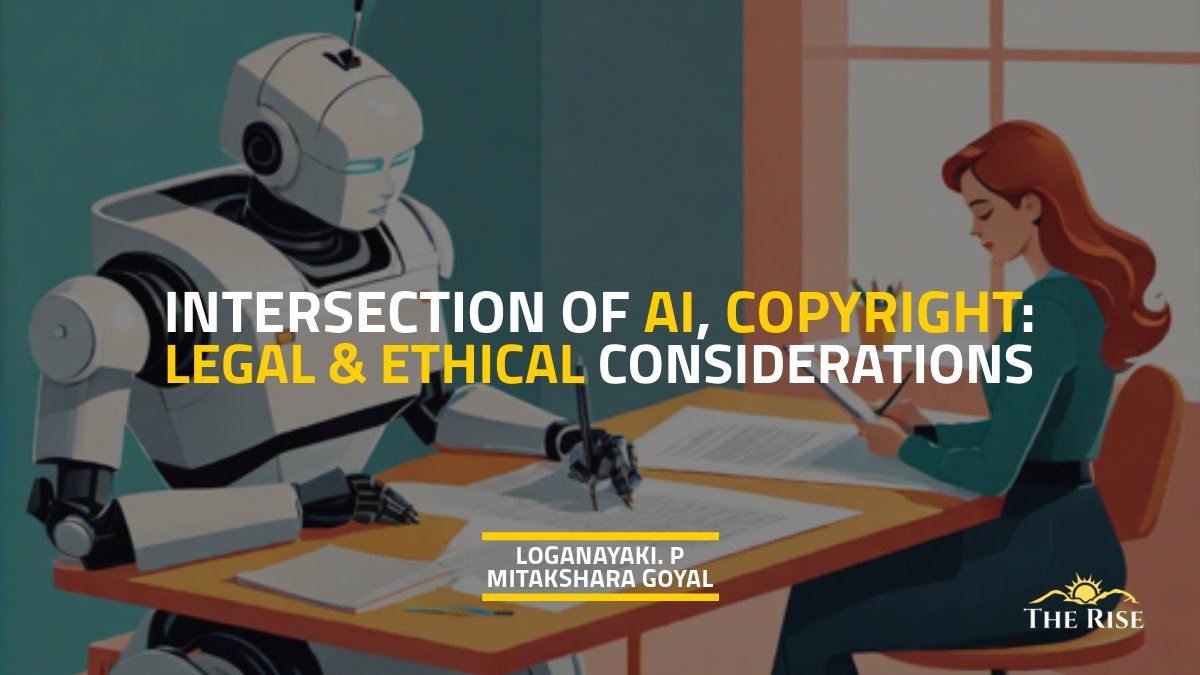
The world of digital art is buzzing with a powerful new collaborator: artificial intelligence. For sprite artists, this means an unprecedented ability to conjure captivating visuals, iterate faster, and explore styles previously unimaginable. Imagine transforming a simple text prompt into a pixel-perfect warrior, a shimmering magic spell, or an entire landscape for your game in mere seconds. But as these tools, like DALL-E, Midjourney, and Stable Diffusion, accelerate creativity, they also introduce complex Ethical and Copyright Considerations for AI Sprite Art that every creator must navigate. The convenience is seductive, but the underlying legal and moral landscapes are still forming, posing crucial questions about ownership, fairness, and the very definition of "original" art.
At a Glance: Navigating AI Sprite Art Responsibly
- Human Authorship is Key for Copyright: In the U.S., purely AI-generated sprites cannot be copyrighted. Your creative input and significant modification are essential.
- Beware of Training Data: Many AI models are trained on copyrighted art without permission, raising infringement risks, especially for commercial use.
- Transparency Builds Trust: Always disclose when and how AI tools are used in your creative process to clients and collaborators.
- Combat Bias Actively: AI can perpetuate biases from its training data. Critically review outputs for fair representation and diversify your prompts.
- Focus on Augmentation, Not Replacement: AI is a powerful tool to enhance your skills, not diminish your role as a human artist.
- Stay Informed & Adapt: The legal and ethical landscape for AI art is rapidly evolving. Continuous learning is non-negotiable.
The New Frontier (and its Old Problems)
The global generative AI (GenAI) art market is booming, projected to swell by 42% through 2029, potentially exceeding $2.5 billion. This surge isn't just about market value; it's about a paradigm shift for creators. Tools that once required immense skill and hours of painstaking work can now be achieved with a few carefully chosen words. For sprite artists, this promises a future where character variations, environmental assets, and intricate animations can be prototyped at light speed. Think about rapidly generating hundreds of unique enemy sprites for a game, or countless variations of a single character's attack animation.
However, this exciting frontier quickly runs into centuries-old concepts of intellectual property and artistic integrity. While AI offers a revolutionary canvas, it's a canvas painted with data, much of which was created by human artists without their explicit consent for AI training. This fundamental tension forms the bedrock of our current ethical and copyright challenges.
Decoding AI Art Copyright: The Human Authorship Imperative
At the heart of the debate in countries like the United States lies a simple, yet profoundly impactful, principle: copyright requires human authorship.
U.S. Copyright Law is clear: to receive protection, a work must be an "original work of authorship" that is "fixed" in a "tangible form of expression." This grants creators exclusive rights to reproduce, distribute, perform, display, and profit from their work. The key phrase here, reiterated by the U.S. Copyright Office in March 2023, is the "human authorship requirement." Simply put, a work must "owe its origin to a human agent."
What does this mean for your AI-generated sprite art?
- Purely AI-Generated Works are Not Copyrightable (in the US): If you type a prompt into an AI model like Midjourney, and it spits out a sprite that you then use as-is, that sprite is generally not eligible for copyright protection. The AI is seen as the "author," not you.
- AI-Generated Elements within Human Works: Even if you generate parts of a sprite with AI and combine them with your human-created elements, the AI-generated portions are still not copyrightable. Only the elements you personally and creatively authored will receive protection. This was starkly illustrated when the Copyright Office rescinded copyright for images in the comic book "Zarya of the Dawn" that were generated by Midjourney, protecting only the human-created elements.
- The Problem of Distinction: Currently, the U.S. Copyright Office admits it often lacks the means to distinguish AI-generated from non-AI elements without voluntary disclosure. This puts the onus on you, the creator, to be honest about your process.
The Fair Use Doctrine: A Battleground, Not a Shield (Yet)
A major point of contention revolves around the Fair Use doctrine. This legal provision allows limited use of copyrighted material without permission for purposes like teaching, news reporting, commentary, or parody.
Generative AI developers often argue that training their models on vast datasets of copyrighted artwork without explicit licenses falls under Fair Use. They claim it's akin to a human artist learning by observing and analyzing existing art. However, copyright owners, including thousands of artists who have signed petitions and filed lawsuits, vehemently disagree. They see it as unauthorized appropriation and data mining.
The U.S. Copyright Office has yet to clarify its stance on whether AI model training constitutes Fair Use. This ambiguity has led to over 25 lawsuits against major AI companies (e.g., Stability AI, Midjourney, DeviantArt, Runway) for copyright infringement. As a sprite artist, this legal uncertainty means you cannot rely on the Fair Use doctrine as a blanket justification for using AI-generated sprites that might inadvertently reproduce elements from copyrighted training data.
Beyond the Law: Ethical Responsibilities for Sprite Artists
While copyright law provides a framework, ethical considerations extend further, touching upon fairness, representation, and the integrity of the creative industry.
Tackling Unseen Biases in Your AI-Generated Sprites
AI models learn from the data they're fed. If that data contains societal biases – for instance, underrepresenting certain demographics or perpetuating stereotypes – the AI will reflect and even amplify those biases in its outputs. This can lead to sprite art that lacks diversity, misrepresents cultures, or excludes certain groups.
Your Responsibility:
- Critically Examine Outputs: Don't just take AI output at face value. Actively look for biases in gender, race, body type, cultural representation, or even stylistic uniformity. Is your AI-generated "hero" always male and white? Does your "villain" consistently lean into harmful stereotypes?
- Diversify Input Prompts: Deliberately craft prompts that encourage inclusivity. Instead of "a wizard," try "a non-binary wizard with a steampunk aesthetic" or "a warrior from a nomadic desert tribe."
- Combine with Human Curation: Use AI as a starting point, but always apply your own human judgment and artistic vision to correct biases, refine details, and ensure authentic representation.
Transparency is Key: Disclosing AI's Role
In an age where AI-generated content can be indistinguishable from human-made art, transparency is not just good practice; it's rapidly becoming an expectation. Clients, collaborators, and even your audience deserve to know when and how AI tools contribute to your work.
Your Responsibility:
- Develop Internal Guidelines: If you work in a studio or as part of a team, establish clear protocols for AI usage. When is it acceptable? What level of human modification is required? How will it be attributed?
- Educate Clients and Stakeholders: Discuss your AI integration with clients upfront. Explain how AI speeds up your workflow, allows for more iterations, or achieves specific effects. Be clear about the human effort involved in guiding, refining, and finalizing the AI's output.
- Consider Attribution: For public-facing work, decide on a clear attribution method. This could be a simple note like "AI-assisted art," or a more detailed explanation of your hybrid process. Transparency fosters trust and helps differentiate your unique human input.
Navigating the Training Data Minefield
The foundation of most generative AI is vast datasets, often scraped from the internet without explicit consent from the original artists. This raises significant ethical questions about fair compensation and the right to control one's own intellectual property. While you may not be directly training the AI, your use of models trained on such data implicates you in this ethical dilemma.
Your Responsibility:
- Understand Your Tools: Research the AI models you use. Do they disclose their training data sources? Do they offer opt-out options for artists? Some services, like Our AI Jus sprite generator, are developing ethical frameworks for their training data, providing more transparency for creators.
- Exercise Caution with Commercial Use: The risk of legal challenge (from copyright holders whose work might be present in the AI's training data) increases significantly when you use AI-generated assets for commercial gain.
- Seek Legal Advice for Complex Situations: If you're planning a major commercial project heavily reliant on AI-generated sprites, consult with an intellectual property lawyer to assess the risks.
The Human Touch: Protecting Your Craft in an AI World
The rise of AI has naturally sparked debates about job security and the devaluation of human creative work. Artists have expressed significant backlash, with over 6,500 signing a petition against Christie's AI art sale. The fear is real: if AI can generate stunning sprites instantly, what role is left for human designers?
Your Responsibility:
- Embrace AI as an Augmentation Tool: View AI not as a competitor, but as a powerful assistant. Focus on developing unique skills that complement AI capabilities – things like artistic direction, prompt engineering, critical curation, storytelling, and intricate post-processing.
- Develop Hybrid Workflows: Learn how to seamlessly integrate AI into your existing workflow. Use it for brainstorming, rapid prototyping, generating variations, or automating tedious tasks, freeing you up for higher-level creative input.
- Stay Informed About Evolving Standards: The industry is grappling with how to value human input in AI-assisted art. By staying current with trends and best practices, you can position yourself as a skilled AI collaborator rather than a displaced traditional artist.
Best Practices for Ethical & Copyright-Compliant AI Sprite Art
Moving from understanding to action means adopting clear strategies for your creative process.
For Commercial Use: Proceed with Caution (and Counsel)
When money changes hands, the legal stakes escalate. Selling AI-generated sprites, using them in commercial games, or licensing them for products brings copyright infringement risks to the forefront.
Practical Guidance:
- Assume Risk, Mitigate it: Until legal frameworks are clearer, assume any purely AI-generated asset carries some risk of copyright issues, especially if its lineage back to copyrighted training data is unclear.
- Substantial Human Transformation: For commercial projects, ensure your AI-generated sprites undergo substantial human modification and creative input. The more you alter, combine, and refine the AI's output with your own artistic choices, the stronger your claim to human authorship (and thus copyright protection for your additions).
- Licensing is Key: If you must use purely AI-generated assets, explore services that offer clear commercial licenses for their AI outputs. However, even these licenses might not fully protect you from claims related to the AI's training data.
Documenting Your Process: Proving Human Authorship
Since the U.S. Copyright Office emphasizes human authorship, meticulously documenting your creative journey is crucial for any work you intend to copyright.
Practical Guidance:
- Keep Iteration Logs: Record your prompts, the AI-generated outputs, and especially the steps you took to modify, refine, and integrate those outputs.
- Show Your Edits: Save intermediary files. If you used an AI-generated base sprite, then spent hours painting over it, altering its form, adding new details, or combining it with other elements, document those layers and steps.
- Narrate Your Intent: Write down your artistic choices and the creative decisions you made at each stage. This narrative can help demonstrate your "original authorship" even when using AI tools.
Intentional Curation: Guiding Your AI, Not Just Prompting It
Simply typing "cool knight sprite" and using the first result is a hands-off approach that minimizes your creative input. True human authorship in the AI age means being a discerning curator and an intentional director.
Practical Guidance:
- Prompt Engineering Mastery: Learn to craft highly specific, detailed, and iterative prompts. Experiment with different parameters, styles, and negative prompts to guide the AI closer to your vision. This is a creative skill in itself.
- Iterate and Refine: Don't settle for the first output. Generate multiple options, select the best starting points, and refine them through further prompting.
- Combine and Remix: Use AI to generate elements or inspirations, then combine them in novel ways, overlay your own designs, and integrate them into a larger human-conceived work. This is where your unique artistic voice truly shines. While China reportedly recognizes copyright for sufficiently detailed prompts, the US still requires more direct human creative input beyond mere text.
Diversify Your Data Diet (and Your AI's)
To combat bias and foster inclusivity, you need to actively shape the inputs.
Practical Guidance:
- Broaden Your Prompt Vocabulary: Move beyond common tropes. Research diverse cultures, historical periods, and art movements to inspire your prompts and introduce variety.
- Use Reference Images Judiciously: If your AI tool allows image inputs, select diverse reference material that aligns with your ethical goals.
- Don't Fear Manual Adjustments: If the AI consistently produces biased results, be prepared to manually correct those elements or seek alternative AI models.
Advocate for Fairer AI
The current legal and market contradictions are unsustainable. While some AI artworks, like "Edmond de Belamy," have fetched over $270,000 at auction despite being non-copyrightable, this situation risks devaluing human creative work and incentivizing non-copyrightable AI art. This is why policy discussions are so critical.
Your Responsibility:
- Engage with Policy Discussions: Stay informed about legislative efforts and public consultations regarding AI ethics and copyright. Your voice as a creator matters.
- Support Artist Advocacy Groups: Many organizations are actively lobbying for stronger protections for human artists and clearer regulations for AI training data.
- Demand Transparency from AI Developers: Support and use AI tools that are open about their training data, offer opt-out mechanisms for artists, and prioritize ethical development.
Common Questions About AI Sprite Art & Copyright
Let's tackle some frequently asked questions that sprite artists might have:
Can I copyright an AI-generated sprite if I modify it significantly?
Yes, likely for the modifications you introduce. If you take a purely AI-generated sprite and then significantly alter it – painting over it, adding new details, changing its composition, or combining it with your own original elements – the human-authored aspects of that modified sprite can be copyrighted. The key is that your human creative input must be substantial enough to be considered an "original work of authorship." The purely AI-generated base elements, however, would still not be copyrightable.
What if I just use AI for inspiration?
Using AI for inspiration is generally considered ethically sound and does not typically raise copyright concerns, as long as you're not directly copying output. If an AI generates a concept, a color palette, or a pose that inspires your entirely new, human-created sprite, then your final work is your own and copyrightable. Think of it like looking at another artist's work for inspiration; the distinction lies in whether you're creating a derivative work or an original piece inspired by something else.
How do I know if an AI model used copyrighted art in its training?
Currently, it's very difficult for an individual creator to know the precise contents of an AI model's training data. Most commercial AI models do not fully disclose their datasets due to proprietary concerns. This is a core part of the "black box" problem and a major point of contention in lawsuits. Your best bet is to research the AI service you're using. Some newer models are striving for more transparency or are trained on datasets with licensed or public domain content. However, for many popular GenAI models, you should assume copyrighted material was used without explicit permission.
Is it ethical to use AI if it might displace human artists?
This is a complex ethical debate without a simple answer. Many argue that ethical use involves leveraging AI to augment human creativity, automate mundane tasks, and open new artistic avenues, rather than using it to entirely replace human roles. The goal is to evolve the role of the artist, focusing on high-level creative direction, curation, and the unique human touch that AI cannot replicate. Ultimately, each artist must weigh their personal ethics against the practical benefits and challenges of integrating AI into their workflow. Transparency, fair compensation, and advocating for responsible AI development are key to mitigating potential negative impacts.
The Future is Collaborative: Shaping AI Art Ethics & Policy
The current legislative landscape in the U.S. is playing catch-up. There's a glaring lack of clarity regarding data mining copyrighted materials for AI training, leading to economic insecurity for creators. This inertia fuels the numerous ongoing lawsuits and deepens the divide between artists and tech companies.
However, change is on the horizon, with global efforts pointing towards potential solutions:
- New Copyright Categories: A promising path forward involves establishing a new copyright category specifically for human-AI collaborative work. This would acknowledge the nuanced interactions between artists and GenAI tools, recognizing the unique blend of human input and algorithmic generation.
- Varying Global Policies: We can learn from other nations. The UK, for instance, grants copyright to the "arranger" of computer-generated works, acknowledging the human role in organizing and presenting the AI's output. China has even recognized copyright for sufficiently detailed prompts, suggesting that the human intention and specific creative direction can carry legal weight.
- Active Frameworks for the U.S.: The U.S. Copyright Office needs to move beyond passive guidance. It must actively develop mechanisms for distinguishing human-authored from AI-generated elements and create flexible frameworks for future human-GenAI collaborations. This will likely require stronger disclosure requirements from creators and improved detection methods for AI-generated content.
Ultimately, the path forward requires unprecedented collaboration between artists, tech companies, and policymakers. The goal isn't to stifle innovation, but to ensure that copyright law continues to protect human creativity and intellectual property, while also accommodating technological progress without devaluing human authorship.
Your Path Forward: Creating Responsibly in the AI Era
The rapid evolution of AI isn't slowing down. As a sprite artist, you have a unique opportunity to shape its future, both through your artistic practice and your advocacy. Embrace these powerful tools, but do so with a keen awareness of their ethical implications and legal boundaries.
Your creativity remains your most valuable asset. Use AI to amplify your vision, not dilute it. Focus on what makes your art uniquely yours – your ideas, your unique perspective, your curatorial eye, and the unmistakable human touch you bring to every pixel. By understanding the Ethical and Copyright Considerations for AI Sprite Art, you're not just protecting yourself and your work; you're contributing to a more responsible, equitable, and vibrant creative ecosystem for everyone. The future of sprite art is a human-AI collaboration, and your informed participation is essential.