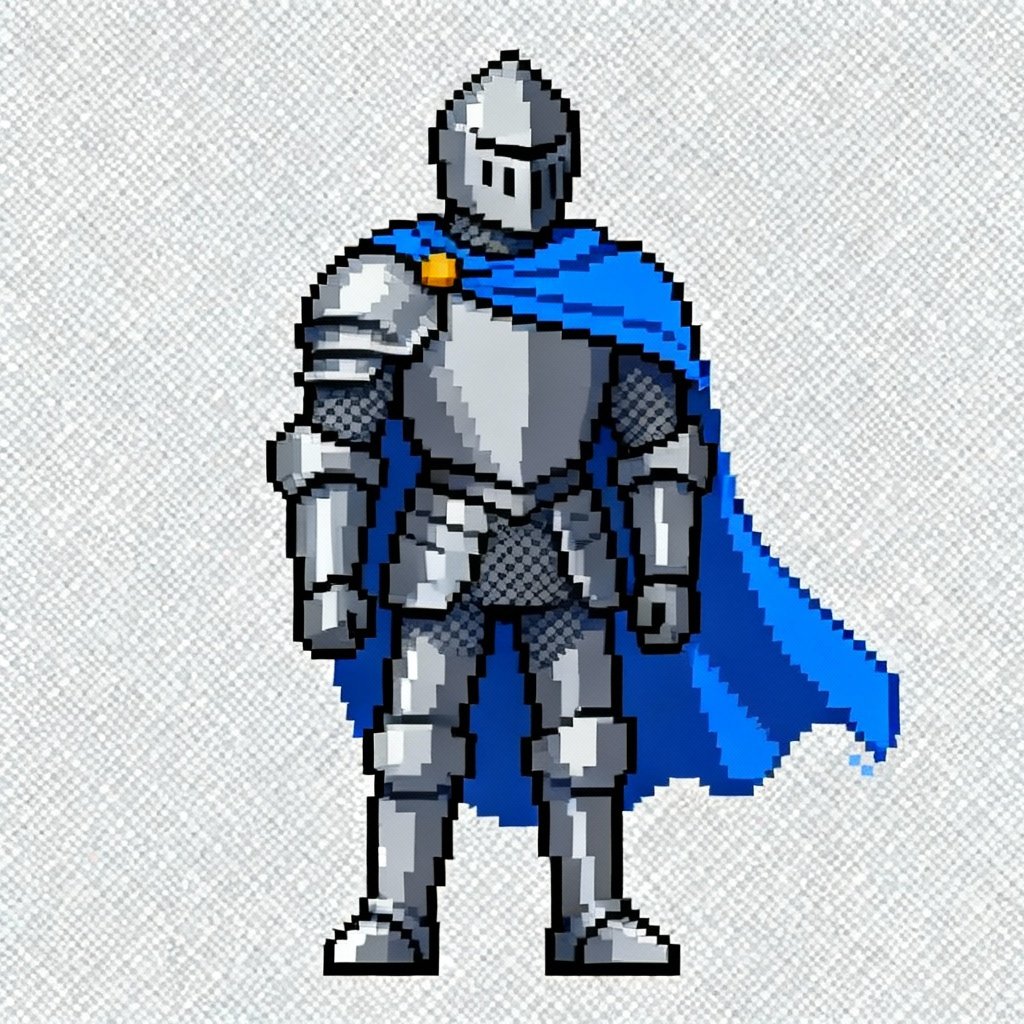
In the dynamic world of game development and digital art, where creativity often clashes with crushing deadlines, the emergence of AI tools has been nothing short of revolutionary. Gone are the days when crafting intricate pixel art characters, environments, and animations meant weeks of painstaking manual labor. Today, AI Jus sprite generator tools are transforming this landscape, empowering creators of all skill levels to bring their visions to life at unprecedented speed and scale. This comprehensive guide delves into the Top AI Sprite Generator Tools Features, Pros, and Cons Explained, equipping you with the knowledge to navigate this exciting frontier.
At a Glance: Key Takeaways
- Speed & Efficiency: AI sprite generators create game-ready assets in minutes, not weeks, drastically cutting development time and costs.
- Accessibility: No advanced drawing skills are needed; most tools operate via text prompts or reference images, democratizing game art creation.
- Versatility: Generate everything from 8-bit characters and 16-bit environments to animated sprite sheets and stylized JRPG visuals.
- Top Contenders (2026): A1.art stands out for high-quality pixel art, while Komiko excels at animated sprite sheets. Ludo.ai offers a comprehensive game dev suite.
- Customization is Key: Learn to craft effective prompts, use reference images, and fine-tune AI outputs for optimal results.
- Copyright & Commercial Use: Always check each tool's terms of service, as policies for AI-generated assets vary.
The Pixel Revolution: How AI is Reshaping Sprite Art
For decades, the heart of 2D game aesthetics beat to the rhythm of meticulously crafted pixel art. Every tiny square, every color choice, every animation frame was a testament to an artist's skill and dedication. While this traditional approach yields unparalleled artistic control, it's also incredibly time-consuming and expensive. Imagine needing hundreds of unique characters, each with multiple idle, walk, run, and attack animations—a monumental task that could stall even the most ambitious indie studios.
This is where AI sprite generators step in, fundamentally altering the equation. These digital tools leverage advanced artificial intelligence to instantly design 2D and 3D pixel art characters, environments, and animations. They take your ideas—whether a simple text prompt or a detailed reference image—and transform them into complete AI sprite sheets or individual animated sprites, ready to be dropped into game engines like Unity, Godot, or GameMaker.
AI vs. Traditional Art: A Game-Changing Comparison
The advantages are stark, particularly for independent creators and small teams:
| Feature | Traditional Hand-Drawn Sprites | AI Sprite Generators |
|---|---|---|
| Time Required | Weeks to Months | Minutes to Hours |
| Cost | High (skilled artists, manual labor) | Lower (subscription/pay-per-use) |
| Labor Intensity | Drawing each frame individually | Automated frame/sheet generation |
| Scalability | Limited (artist's bandwidth) | High (batch generation, quick iterations) |
| Creative Flex. | Dependent on artist's time and skill | Multiple styles, rapid prototyping |
| This shift allows developers to iterate faster, experiment more, and focus their resources on gameplay and storytelling rather than getting bogged down in repetitive asset creation. The speed and accessibility mean more games can be made, and niche aesthetics can find their footing without a prohibitive art budget. |
Deep Dive: Top AI Sprite Generator Tools of 2026
The market for AI sprite generation is rapidly evolving, with new tools emerging and existing ones refining their capabilities. Here’s a detailed look at the leading platforms available today, focusing on their unique offerings, ideal use cases, and what makes them stand out.
1. A1.art: The Pixel Art Powerhouse
Core Function: A1.art is an advanced AI sprite generator celebrated for producing high-quality pixel-style output. It excels at understanding game-ready sprite structure and offers extensive customization through intuitive prompts.
Key Features:
- High-Quality Pixel Art: Delivers detailed, clean pixel art rendering.
- Versatile Asset Generation: Supports characters, monsters, objects, and UI icons.
- Multiple Pixel Styles: Generates sprites in 8-bit, 16-bit, retro, and anime-pixel aesthetics.
- Blazing Fast: Generates assets in a mere 1–3 seconds.
- Consistent Styling: Maintains a uniform look across generated sprites.
Best Use Case: Indie game developers who prioritize the highest quality AI pixel art for their character or asset creation, especially when consistency and detail are paramount.
Pros: - Strong Detail Accuracy: Produces intricate and precise pixel artwork.
- Clean & Noise-Free: Sprites appear polished without visual artifacts.
- Generous Free Tier: Free to try with ample limits, making it accessible for testing.
Cons: - No Built-in Sprite Sheet Assembler: Requires manual arrangement of individual frames into a sprite sheet.
- Animation Frames: Generating animation sequences needs careful manual prompt control for each frame.
2. TopMediai: Multimedia Sprite Creator
Core Function: TopMediai offers a versatile platform for generating animated sprite-style videos and still sprite images, including unique pixelated effects. It's part of a broader multimedia suite.
Key Features:
- Animated Sprite-Style Videos: Transforms images to video or text to video, offering dynamic sprite animations.
- Still Image Generation: Includes a robust AI Art Generator for creating static sprite images.
- AI Pixel Generator: Specifically designed for applying retro and pixelated effects.
- Comprehensive Suite: Part of a larger platform with voiceover, TTS, dubbing, and music tools.
- Online & Accessible: Browser-based, requiring no installation.
Best Use Case: Creators who need both dynamic video previews of their sprites and game-ready static assets, or for developing marketing materials that showcase their game's pixel art in motion.
Pros: - Combines Video & Image: Unique ability to generate both animated previews and still sprite assets.
- Advanced AI Models: Utilizes sophisticated AI, including Google Veo 3, for high-quality output.
- Easy to Use: User-friendly interface, quick iteration, no advanced design skills required.
Cons: - Internet Dependent: Requires a stable internet connection for full functionality.
3. OpenArt: Simple & Artistic Static Sprites
Core Function: OpenArt specializes in generating high-quality, static sprite images from either text prompts or uploaded reference images, making it incredibly beginner-friendly.
Key Features:
- Instant Generation: Quickly produces sprite-style images.
- Simple UI: Features an intuitive and straightforward user interface.
- Retro/8-bit Aesthetics: Excels at creating visuals with classic retro and 8-bit charm.
- Randomized Variations: Offers diverse sprite variations with each generation.
- Custom References: Supports uploading custom reference images for personalized output.
- High-Resolution: Generates sprites with impressive resolution.
- Browser-Based: Fully functional within your web browser.
Best Use Case: Artists and indie game developers seeking a visual-first approach for rapid prototyping, creating quick assets, or developing custom and niche game aesthetics.
Pros: - Extremely Simple: Very easy to use, even for absolute beginners.
- Free Access: Offers free usage, making it a great starting point.
- Creative Flexibility: Provides freedom in character design and artistic direction.
- No Animation Knowledge: No prior animation expertise is needed for static sprite creation.
- No Watermark: Generated images are watermark-free.
Cons: - Manual Sprite Sheet Assembly: Users must manually combine generated sprites into sheets.
- Limited Batch Generation: Options for generating multiple sprites at once are restricted.
- No Animation Control: Lacks features for controlling animation frames.
- Artistic Consistency Challenges: Can struggle with maintaining a consistent artistic style across many generations.
4. Pollo.ai: The Bulk Sprite Sheet Specialist
Core Function: Pollo.ai distinguishes itself by specializing in the bulk creation of sprite sheets, ensuring a consistent visual style across multiple frames and characters.
Key Features:
- Multi-Frame Generation: Generates numerous frames in a single session.
- Action Support: Creates sprites for various character actions (walking, jumping, attacking).
- Animated Cycles: Supports the generation of complete animation cycles.
- Text-Prompt-Based: Operates efficiently using descriptive text prompts.
- Fast Batch Processing: Optimized for quickly processing and generating large batches of sprites.
Best Use Case: Game developers who require multiple characters or extensive animations generated rapidly, especially useful for large 2D game projects or building comprehensive animation libraries.
Pros: - Significant Time Saver: Drastically reduces the time spent on bulk sprite creation.
- Uniform Style: Ensures a consistent look across all generated frames and characters.
- Reduces Manual Work: Minimizes the need for manual image arrangement.
- Browser-Based: Accessible online without needing installations.
Cons: - Limited Frame Control: Offers less granular control over individual frame details.
- Prompt-Dependent Style: The variety and quality of styles are highly reliant on the input prompt's quality.
5. PixelLab AI: Precision Pixel Perfection
Core Function: PixelLab AI is engineered for high-precision pixel art quality, focusing on delivering clean edges, sharp corners, and stable color palettes—a true purist's tool.
Key Features:
- High-Precision Rendering: Produces exceptionally sharp and detailed pixel art.
- 8/16-bit Palette Control: Offers fine-tuned control over classic 8-bit and 16-bit color palettes.
- Sprite Sheet Support: Capable of generating and supporting sprite sheets.
- Dedicated Modes: Includes distinct modes for character and object pixel art.
Best Use Case: Developers crafting retro RPGs, platformers, or games that specifically aim for an authentic SNES-style or classic arcade aesthetic.
Pros: - Best Retro Pixel Accuracy: Unmatched in its ability to replicate classic pixel art fidelity.
- Very Stable Art Style: Consistently maintains its distinctive pixel art aesthetic.
- Palette Options: Provides various color palette choices for creative control.
Cons: - Slower Generation Speed: Can be slower than some competitors like A1.art.
- Niche Focus: Not ideal for generating sprites in non-pixel art styles.
6. Komiko: Animated Sprite Sheet Automation
Core Function: Komiko automates the generation of complete sprite sheets with essential animation frames, such as walk, idle, and run cycles, specifically optimized for 2D game animation.
Key Features:
- Auto-Generated Sprite Sheets: Instantly creates ready-to-use sprite sheets.
- Pre-defined Animations: Focuses on generating common animation frames like walk/idle/run cycles.
- 2D Game Animation Friendly: Output is tailored for direct integration into 2D game projects.
- Pixel-Oriented Rendering: Specializes in rendering sprites with a pixel art aesthetic.
Best Use Case: Developers who urgently need fast, ready-to-use sprite sheets for animation, especially for genres like platformers or RPGs where standard character movements are crucial.
Pros: - Saves Hours: Eliminates significant manual animation work.
- Easy Export: Provides straightforward export of PNG sprite sheets.
- Directly Usable: Assets are typically game-engine ready.
Cons: - Limited Customization: Character customization options might be somewhat restricted.
- Variable Animation Quality: The fluidity and quality of animations can depend heavily on the prompt's specifics.
7. Godmode AI: Integrated Workflow Automation
Core Function: Godmode AI integrates sprite generation into a broader AI pipeline, offering comprehensive workflow automation for game asset creation, including character generation, upscaling, and batch export.
Key Features:
- Workflow Automation: Streamlines the entire game asset creation process.
- Sprite Generation + Upscaling: Generates sprites and can upscale them for higher resolution needs.
- Batch Creation: Efficiently creates multiple assets in bulk.
- Versatile 2D Styles: Supports various 2D game art styles beyond just pixel art.
Best Use Case: Indie studios or development teams looking for an AI-powered game asset production pipeline, particularly for projects requiring large-scale asset generation and efficient team workflows.
Pros: - Automates Repetitive Tasks: Excellent for boosting productivity and freeing up artists.
- Team/Studio Friendly: Designed with features beneficial for collaborative environments.
- Comprehensive Features: Offers more than just sprites, building a complete asset solution.
Cons: - Setup Time: May require some initial setup and configuration.
- Paid Features: The most advanced features often require a paid subscription.
8. Ludo.ai: The All-in-One Game Dev Assistant
Core Function: Ludo.ai acts as an AI game development assistant that not only includes a robust sprite generator but also offers tools for concept art, game idea generation, and asset planning.
Key Features:
- Multi-Platform Sprites: Generates sprites suitable for both mobile and PC games.
- Built-in AI Game Designer: Integrates tools for game design and ideation.
- Rapid Idea-to-Asset Workflow: Facilitates quick transitions from concept to usable assets.
- Diverse Element Support: Generates character, item, and UI elements.
Best Use Case: Indie developers seeking a single, comprehensive AI tool that handles both sprite art creation and broader game development planning, from brainstorming concepts to producing assets.
Pros: - Complete Game AI Platform: One of the most holistic AI solutions for game development.
- Brainstorming & Asset Creation: Excellent for both ideation and practical asset generation.
- Aids Full Production: Contributes to various stages of game production, not just art.
Cons: - Limited Free Plan: Many advanced features are behind a paywall.
- Variable Sprite Quality: Sprite quality can fluctuate depending on the specific style requested and prompt details.
9. Imagine.art: Stylized Pixel Character Art
Core Function: Imagine.art is a visually creative platform geared towards generating detailed and stylized pixel characters, often resulting in an artistic output with a distinct flair.
Key Features:
- Custom Pixel Art Filters: Offers unique filters to achieve specific pixel art looks.
- Diverse Pixel Styles: Supports anime, chibi, fantasy, and sci-fi pixel styles.
- High-Resolution Output: Generates impressive, high-resolution pixel art.
- Easy Prompt Generation: Simple and intuitive prompt-based sprite creation.
Best Use Case: Creators looking for stylized pixel art for marketing materials, character sheets, visual concepts, or those specifically inspired by JRPG aesthetics and modern pixel art trends.
Pros: - Stylish & Modern Look: Produces pixel art with a contemporary and artistic feel.
- Promotional Art: Great for creating eye-catching promotional visuals.
- Diverse Creative Styles: Supports a wide range of artistic interpretations within pixel art.
Cons: - Not Optimized for Traditional Games: May not produce sprites directly compatible with all traditional game engines without adjustment.
- No Sprite Sheet Support: Lacks built-in functionality for generating sprite sheets.
10. Fotor: Casual Sprite-Like Graphics
Core Function: Primarily known as a versatile photo editing tool, Fotor includes a stylized sprite filter that converts existing images into sprite-like versions, though it's important to note this isn't authentic pixel art generation.
Key Features:
- Image-to-Sprite Conversion: Transforms uploaded images into sprite-like graphics.
- Icons, Characters, Logos: Suitable for creating simple icons, basic characters, and logos.
- Fast & Accessible: Quick generation and easy to use.
- Free Basic Tools: Offers a range of free fundamental functionalities.
Best Use Case: Casual users, hobbyists, or those needing simple, sprite-looking graphics for social media, elementary mobile games, or educational projects rather than professional game development that demands authentic pixel art.
Pros: - Extremely Easy: Requires no prompt knowledge or artistic skill.
- Non-Artist Friendly: Accessible to anyone, regardless of design background.
- Quick Results: Delivers immediate visual output.
Cons: - Not Authentic Pixel Art: The output is a stylized filter, not true pixel art.
- No Animation Support: Lacks any features for creating animated sprites or sprite sheets.
Mastering the Machine: Tips for Getting the Best Results
While AI sprite generators are incredibly powerful, they're not magic wands. Getting exceptional results often requires a thoughtful approach. Think of the AI as a highly skilled apprentice—it needs clear instructions and a bit of guidance to shine.
- Start with a Crystal-Clear Concept: Before you type a single word, have a solid idea of what you want. What's the character's style (e.g., "gritty 8-bit knight," "cute 16-bit anime mage")? What are its proportions, colors, and core theme? The more detailed your internal vision, the better your prompt will be.
- Leverage Reference Images for Consistency: For generating multiple sprites of the same character, uploading a consistent reference image can be a game-changer. This helps the AI maintain uniform style, color palettes, and proportions across different poses or animations, reducing the "drift" that can occur with purely text-based generations.
- Experiment with Styles and Models: Don't get stuck on the first output. Most AI tools offer various art models or style settings (e.g., "fantasy," "sci-fi," "retro," "modern"). Play around with these options. A different model might perfectly capture the aesthetic you're aiming for.
- Embrace Batch Generation for Variations: Tools that support batch export (like Pollo.ai or Godmode AI) are invaluable. Use them to generate multiple characters or animation frames in one go. This not only saves time but also provides a range of variations to choose from, increasing your chances of finding the perfect asset.
- Fine-Tune Critical Frames Manually: While AI is fantastic, it's not infallible. For critical animation frames—think an awkward punch pose or a slightly off-balance jump—don't hesitate to take the AI-generated sprite into a graphic editor (like Aseprite or Photoshop) for small, manual tweaks. This added polish can elevate your animations from good to great.
- Prioritize Animation Smoothness: When generating animations, ensure you have enough frames for fluid motion. Actions like walking, jumping, or attacking often require more frames than a simple idle pose. If the AI doesn't generate enough, consider prompting for intermediate frames or manually creating them.
Your Burning Questions Answered: AI Sprite Generator FAQs
Do I need drawing skills to use AI sprite generators?
No, absolutely not! Most AI sprite generators are designed to be user-friendly, requiring only text prompts (descriptions) or reference images to create stunning visuals. They empower non-artists to produce high-quality game assets.
Can these tools create full sprite sheets?
Yes, many of the leading AI sprite generators, such as Komiko and PixelLab AI, include dedicated functions to generate complete AI sprite sheets with multiple animation frames.
Are AI-generated sprites copyright-free for commercial use?
This is a critical question, and the answer depends entirely on the specific tool's terms of service. Some platforms grant full commercial rights, while others may require attribution or have restrictions. Always check the licensing agreement of the generator you use before integrating assets into a commercial project.
Can AI sprite generators be used for animated videos?
Yes, some advanced AI video generators, like TopMediai, can export sprite animations as GIF or video files, making them suitable for trailers, marketing, or in-game cutscenes.
Is pixel art still popular in 2026?
Definitely! Pixel art remains a beloved and highly popular aesthetic, especially in the indie game scene. Genres like roguelikes, metroidvanias, RPGs, and mobile titles continue to embrace its nostalgic charm and distinct visual appeal.
Can AI generate multi-frame animated sprites?
Yes, tools like Komiko, Pollo.ai, and A1.art (with careful prompting) are specifically designed to generate multi-frame animations, including walk, idle, run cycles, and more complex actions.
Finding Your Perfect Match: Choosing the Best AI Sprite Generator
With so many powerful options, how do you pick the right tool for your project? It comes down to understanding your specific needs.
If Art Style is Your Priority:
- For Classic, Authentic Pixel Art (8-bit, 16-bit): PixelLab AI is your top choice for precision and retro accuracy.
- For High-Quality, Modern Character Sprites (anime, stylized): A1.art excels in detail, consistency, and clean output.
- For Anime-Pixel Hybrids or JRPG-Inspired Visuals: Imagine.art offers a distinct, stylized, and artistic pixel aesthetic.
- For Simple Sprites or Quick Drafts: OpenArt is excellent for rapid prototyping and basic asset creation.
- For Casual 2D Cartoon Sprites (not true pixel art): Fotor provides easy image-to-sprite-like conversions for non-professional use.
If Animation Support is Key:
- For Auto-Generated Sprite Sheets with Multi-Frame Animations & Walk Cycles: Komiko is specialized in delivering game-ready animated sprite sheets quickly.
- For Generating Multiple Animated Sprites in Bulk with Consistency: Pollo.ai is ideal for large-scale animation asset production.
- For an Integrated Workflow with Batch Animation Export: Godmode AI offers more than just animation; it's a full asset pipeline.
If You're Building a Full Game:
- For an All-in-One AI Assistant (sprites, story ideas, level concepts, planning): Ludo.ai is one of the most comprehensive platforms for holistic game development support.
If Consistency is Paramount:
- For Highly Stable and Repeatable Art Style Results: A1.art and PixelLab AI are known for their ability to maintain a consistent aesthetic across many generations.
Stepping into the Future of Game Art
The landscape of game development is continuously shaped by innovation, and AI sprite generators represent one of the most impactful shifts in recent memory. By democratizing access to high-quality art assets, these tools empower solo developers, small teams, and even seasoned studios to bring their creative visions to life faster, more affordably, and with greater artistic freedom than ever before.
While each tool offers its unique strengths—from A1.art's unparalleled pixel quality to Komiko's animation automation—the overarching benefit is clear: AI is accelerating the pace of game creation. As you embark on your next project, consider how integrating one of these powerful AI companions can transform your workflow and unleash your imagination. The future of game art isn't just about what you can draw; it's about what you can dream, and what AI can help you build.